Succession Sowing vs Continuous Harvesting: Which Strategy Fits Your Small Herb Pots?
Why two strategies matter in small herb gardens
In a tiny garden—one balcony box, a trio of pots, or a sunny windowsill—you’re juggling limited soil, light, and time. Two common ways to keep a steady supply of fresh herbs are succession sowing (staggered plantings) and continuous harvesting (repeated cut-and-come-again from the same plants). Each rests on different principles and produces different results. Below I compare them with small examples and then offer a practical guide to choose between them.
How the approaches differ: core principles and small examples
Succession sowing (turnover through staggered plantings)
- Principle: Plant new seeds at intervals so a fresh crop matures as the previous one finishes. It treats each sowing as a short-lived batch.
- Works best for: Fast annuals like basil, cilantro, arugula, and annual parsley varieties.
- Small example: Sow basil seeds in three shallow pots two weeks apart. While the first pot is flowering, the second is producing large leaves, and the third is catching up—so you always have usable greens without harvesting immature plants.
- Benefits: Consistent quality and flavor, fewer stressed plants, easier timing for replacing tired soil or changing varieties.
- Trade-offs: Requires seed stock and a bit of planning. Uses more pots or bench space temporarily and may mean small gaps if timing slips.
Continuous harvesting (make one plant work repeatedly)
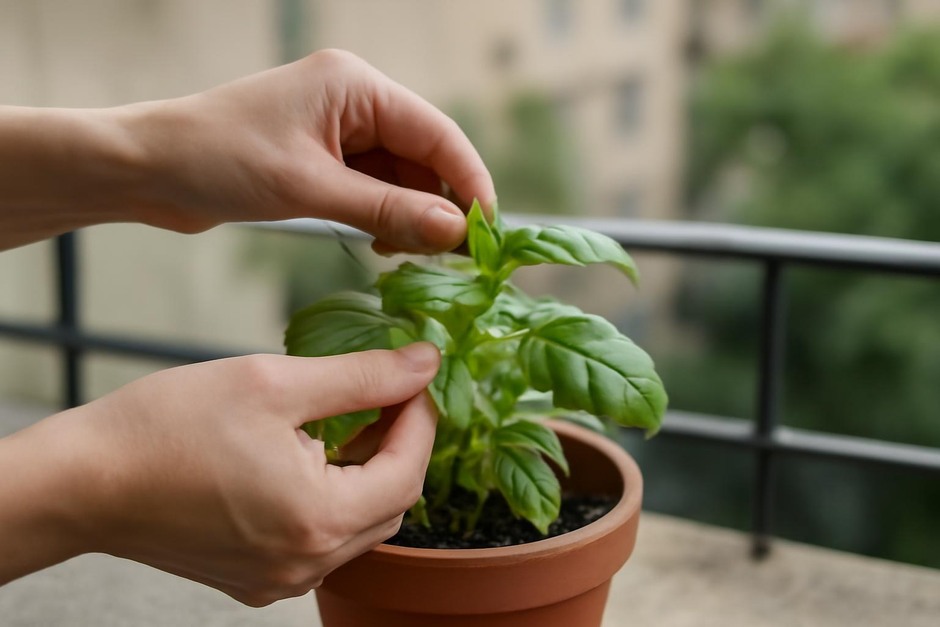
- Principle: Regularly trimming leaf tips or stems to encourage bushiness and new growth from the same plants over a longer span.
- Works best for: Perennial herbs and vigorous annuals tolerant of repeated cutting—chives, oregano, thyme, and many basils and mints.
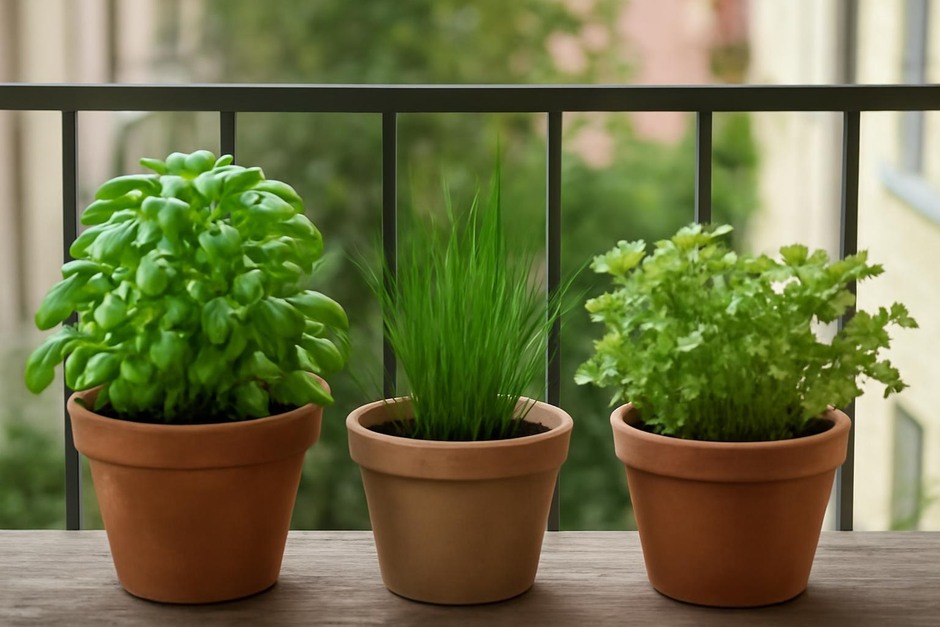
- Small example: Keep a single 8″ pot of chives for months. Snip outer leaves often rather than taking the whole clump; the center keeps producing while the sides refill.
- Benefits: Low space needs, immediate harvesting without replanting, and good for maintaining a steady visual presence on a balcony.
- Trade-offs: Overharvesting can weaken plants; flavor or leaf size may change as plants age; more attention to trimming technique and occasional refreshment of soil is needed.
Choosing between them: a short decision guide
Ask yourself five simple questions to pick the best approach for your situation:
- What’s your primary goal? If you want a steady parade of perfectly fresh basil for pesto, succession sowing gives predictable leaf quality. If you need a reliable handful of chives for daily omelets with minimal fuss, continuous harvesting is better.
- How much space do you have? Limited pots favor continuous harvesting. If you can spare a few extra shallow pots or seed trays, succession sowing is doable.
- How much time and attention can you give? Succession requires scheduling sowings and occasional thinning. Continuous harvesting demands regular trimming and seasonal refreshes.
- Which herbs are you growing? Check growth habits: fast annuals that bolt benefit from succession; clumping perennials and herbaceous greens often reward careful repeated cuts.
- How tolerant are you of flavor or leaf-size variability? Succession gives more consistent flavor; continuous harvesting may produce smaller leaves late in season or slightly altered taste as plants age.
Practical plans: small, 4-week experiments to test each approach
- Try succession for a month: Sow three narrow pots of basil two weeks apart. Note harvest quality and how often you needed to water and feed. Did the staged schedule keep flavor steady?
- Try continuous harvesting for a month: Start one larger pot of basil or a perennial like oregano. Trim weekly to the recommended height, keeping central growth intact. Note vigor and whether the plant rebounded.
Hybrid and fallback options
You don’t have to pick only one. Many small gardeners combine both: keep a perennial pot under continuous harvest for everyday use and run a succession sowing for herbs that decline after flowering or for seasonal favorites. When a continuously harvested plant shows signs of decline—leggy growth, smaller leaves—replace it with the next succession batch.
Whichever path you choose, the key is small, repeatable experiments: three pots, one pot, two weeks. That keeps the scale manageable and the lessons immediate. Over a few months you’ll have a clear sense of which workflow fits your space, taste, and rhythm.
Tip: Document one quick metric each week (harvest amount, leaf size, or time spent) so future decisions are based on your balcony’s data—not just a guess.