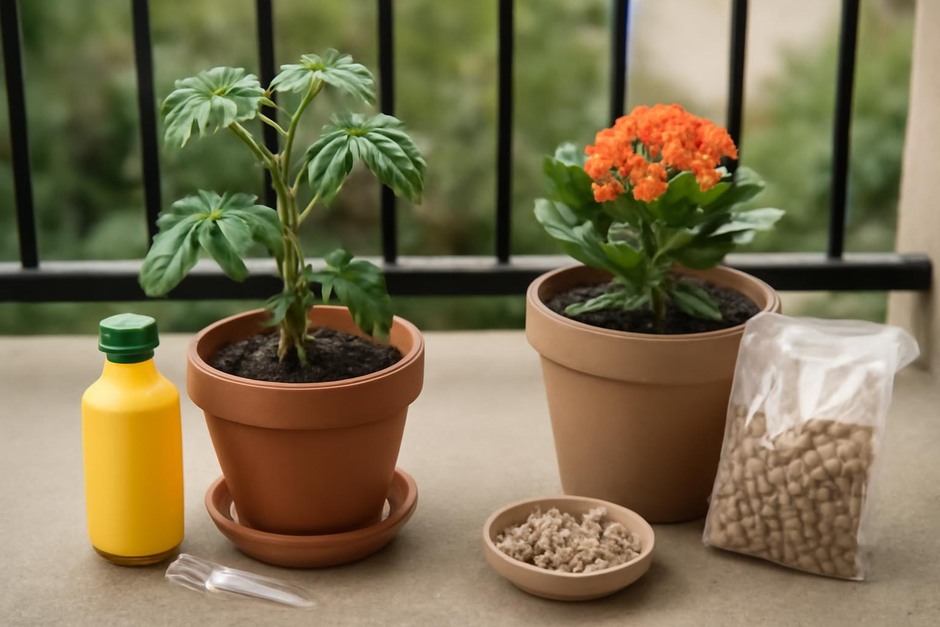
Liquid Drips or One-Time Doses? How to Choose Between Frequent Feeding and Slow-Release Fertilizers
Feeding container plants is more than picking a product; it’s choosing a rhythm that fits your plants, pots, and routines. Two common, contrasting approaches are: frequent, low-dose liquid feeding, and a single or occasional application of slow‑release fertilizer granules. Both can produce healthy plants, but they rely on different principles. Below I compare how each works, show small examples from balcony gardens, and give a short decision guide so you can pick the right strategy for your situation.
Approach A: Frequent, Light Liquid Feeding
Principle: Replenish nutrients in the root zone regularly in small doses, so plants always have a gentle supply. This mirrors how nutrients are available in active garden soil, where mineral availability shifts with water and microbial activity.
How it’s used
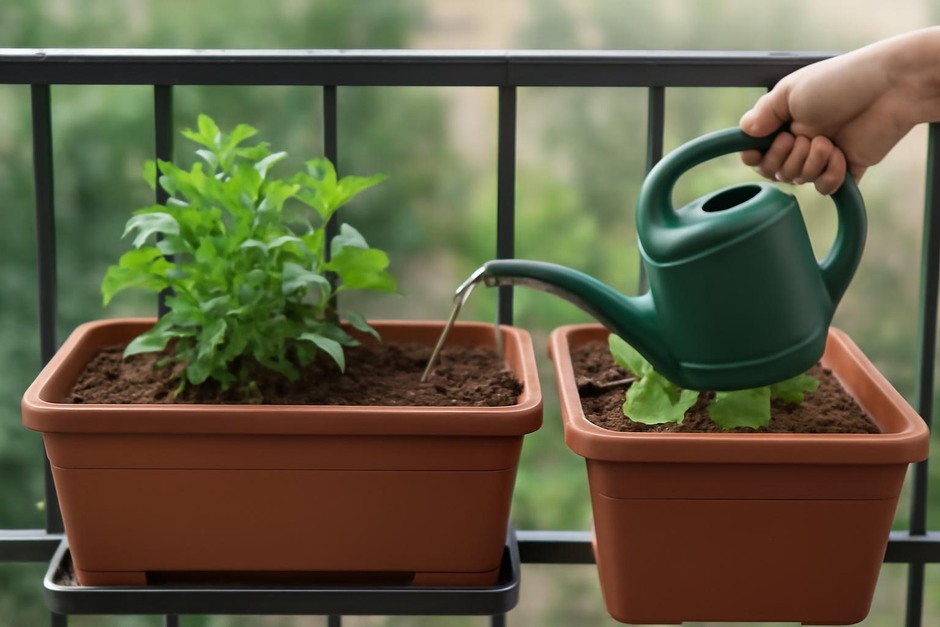
- Water-soluble fertilizer or organic liquid feeds mixed at a reduced strength and applied on a regular schedule (for many, weekly or every watering).
- Works best with regularly watered, fast‑draining mixes where nutrients can be leached and need replacement.
Pros
- Responsive: Easy to adjust strength if plants show stress or different growth phases.
- Even availability: Reduces peaks and troughs in nutrient supply.
- Good for heavy feeders: Vegetables and fast‑growing annuals respond quickly.
Cons
- Maintenance: Requires a consistent routine and access to water.
- Salt buildup: More frequent feeding can concentrate salts in the potting medium, needing occasional flushing.
- Risk of overfeeding: Easier to oversupply if strength or frequency are too high.
Small example
Basil in a 6″ pot: a half‑strength liquid feed every 7–10 days keeps growth compact and flavorful. Because the pot dries quickly and basil is a fairly heavy feeder, regular light feeds prevent pale leaves without forcing rampant, floppy growth.
Approach B: Slow‑Release or Controlled‑Release Granules
Principle: Incorporate granules that release nutrients gradually over weeks or months. Release is driven by temperature and moisture, creating a steady background supply without frequent dosing.
How it’s used
- Mix granules into the potting mix at planting or sprinkle on top and water in. Products vary from 2–6 month to 9–12 month release periods.
- Best paired with less frequent watering regimes and mixes that retain moisture reasonably well.
Pros
- Low maintenance: Good for people who travel or want a set‑and‑forget approach.
- Reduced daily salt spikes: More gradual nutrient release can lower risk of sudden salt accumulation.
- Consistent background nutrition: Supports steady growth in long‑season containers.
Cons
- Less flexible: Harder to change the feed rate mid‑season if plants need more or less.
- Variable release: Very hot or cold conditions alter how quickly nutrients become available.
- Not ideal for rapid response: If a plant shows deficiency, granules aren’t the fastest fix.
Small example
Rosemary in a 3‑liter (about 1‑gallon) pot: a single application of multi‑month slow‑release granules at planting supports slow, perennial growth without frequent feeding. Rosemary prefers leaner conditions, and a controlled background of nutrients keeps it compact and fragrant.
Choosing Between the Two: A Practical Checklist
Use this short decision guide to pick the approach that matches your plants and routine. In many cases, a hybrid works best: a modest slow‑release base with occasional light liquid top‑ups.
- Ask about the plant type. Fast‑growing annuals, salad greens, and container tomatoes often benefit from frequent liquid feeds. Slow‑growing herbs, ornamental grasses, and perennials do well on slow‑release.
- Consider pot size and mix. Small pots dry and leach nutrients faster—lean toward liquid feeding. Large, moisture‑retentive mixes hold nutrients longer—slow‑release is a good match.
- Reflect on your routine. If you water daily or check plants often, liquid feeding integrates easily. If you prefer low maintenance or travel often, slow‑release reduces tasks.
- Think seasonally. In active growth (spring–summer), a combination—slow‑release at planting plus targeted liquids for a growth spurt—works well. In late season, stop feeding or reduce intensity.
- Watch for salt and signs. If you see leaf tip burn or crusty soil, flush with plain water and reduce feed. If yellow older leaves indicate long‑term deficiency, consider a liquid correction.
Final quick rule: for small, fast containers that dry quickly choose frequent light feeding; for less frequent care and sturdier plants choose slow‑release. And remember: you can blend approaches—start with a modest dose of slow‑release when planting and use dilute liquid feeds only when plants need a boost.